Posts

Medicinal plant - Picrorhiza kurrooa

Image
Scientific name: Picrorhiza kurrooa Common name: Kutki, Kardi, katuka-rogani Scientific classification: Kingdom: Plantae Class: Asteride Order: Scrophulariales Family: Scrophulariacea Genus: Picrorhiza Species: P. kurrooa Picrorhiza kurrooa Habit: Herb Description: It grows in the regions of the northwestern Himalayan region, roots are bitter, leaves are long oval in shape, flat and serrated. Flowers are white or pale purple on a long spike. Fruits are oval in shape Useful part: Leaves, bark, roots, and rhizomes. Medicinal uses: It is used as an anti-inflammatory and antibacterial. It also reduces platelet aggregation, antiperiodic, stomachic, asthma; it reduces cholesterol of blood, boosts the immune system, against leishmaniasis, snake bite and for liver diseases Dosage: Medicine has to be taking from leaf, bark, root, and rhizome Chemical constituents: Iridoid glucosides, kutkoside, picroside I, II, III, IV, vanillic acid, pikuroside...
Medicinal Plant - Phyllanthus amarus

Image
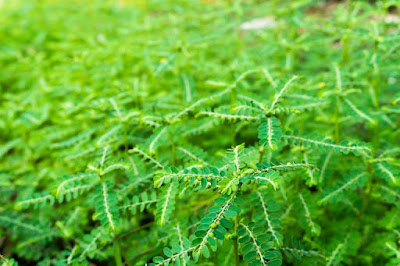
Scientific name: Phyllanthus amarus Common name: Phyllanthus, Jar Amla, Nillanelli, Kizar Neli and Nela usiri Scientific classification: Kingdom: Plantae Class: Magnoliopsida Order: Malpighiales Family: Phylanthaceae Genus: Phyllanthus Species: P. amarus Phyllanthus amarus Habit: Herb Description :  Compound leaves are present, and leaves possess small fruits Useful parts: Whole plant Medicinal uses:  It is used in treating viral infection, hypoglycemic (lower blood sugar), hepatitis-B, chronic fever, and for other liver diseases, this is why this plant is often utilized in south India to treat jaundice. Dosage: Juice of leaves is taken with milk on empty stomach for jaundice, nothing should be taken at least for an hour after taking this. Chemical constituents: Lignans, ellagitannins, amariinic acid, repandusinic acid A, phyllanthin, gallic acid, ellagic acid, and hypophyllanthin Side-effects: It may cause diarrhea and stomach...

Medicinal Plant - Solanum nigrum

Image
Scientific name:   Solanum nigrum Common name: Black nightshade, poison berry, mokoi, and kamanchi Scientific classification: Kingdom: Plantae Sub kingdom: Tracheobionta Class: Magnoliopsida Sub-class: Asteridae Order: Solanales Family: Solanacea Genus: Solanum Species: S. nigrum Solanum nigrum Habit : Herb Description: This plant grows up to 60 cm tall, usually erect. Leaves are alternate, ovate, deep green in color and flowers are white with a yellow colored center. Useful part: Whole plant Medicinal use: It is used in treating skin diseases, rheumatism, gout, and juice of the herb are given for the patients who are suffering from chronic enlargement of the liver, it can cure ear and eye diseases. Dosage: Fruits are mostly used to cure diseases Chemical constituents: This plant contains solanine, solasonine, solamargine, glycoalkaloids, solasod  and solasodinsolanideine Side-effects: Solanine is toxic, it causes vomiting, ...

Medicinal plant - Foeniculum vulgare

Image
Scientific name : Foeniculum vulgare Common name: Fennel, sompu Scientific classification: Kingdom: Plantae Dividion: Magnoliophyta Class: Magnoliopsida Sub-class: Rosidae Order: Apiales Family: Apiaceae Genus: Foeniculum Species: F.vulgare Foeniculum vulgare Habit: Herb Description: It is a herb and it possesses very small flowers Useful parts: Fruits Medicinal uses:  It is anti-inflammatory, antispasmodic, stomachic, helps to clear phlegm from the lungs, it improves appetite and reduces spleen, liver, kidney problems. Used to treat wounds, gastric problem and  for digestion problems Dosage: Fennel helps to release gas from the stomach and bowels and relieve its associated pain and cramping. The warm water of these seeds are used for better digestion Chemical constituents: Fenchode, anethole, methyl chavicol, alpha-phellandrene, fenchone, and estragole Side-effects:  It’s better to avoid during breastfeeding period an...

Medicinal plant - Butea monosperma

Image
Scientific name:   Butea monosperma Common name: Sacred tree, flame of the forest, moduga, parasu, kankrei Scientific classification: Kingdom: Plantae Division: Magnoliophyta Class: Magnoliopsida Class: Rosidae Order: Fabales Family: Fabaceae Genus: Butea Species: B. monosperma Butea monosperma Habit : Medium size tree Description: It is popularly known by the name ‘flame of the forest’, 20-40 ft height, trunk has irregular branches and rough gray bark. Leaves are in a pinnate shape with 8-16 cm petioles and 3 leaflets. Flowers are in beautiful deep orange color, from January to march it truly becomes a tree of flame, covering entire crown with bright deep flowers with 5 petals    Useful parts: Leaves, seeds, flowers, gum, and stem Medicinal uses: It is used when one suffers from intestinal worms, skin problems, night blindness, other eyesight defects, piles, ulcers, tumors, pimples, swelling and for proper digestion Dosage: ...

Medicinal plant - Myristica fragrans

Image
Common name: Nutmeg, Jatiphala, jatipatri, nuez moscada, jaiphal and Jajikaya Scientific name: Myristica fragrans Scientific classification: Kingdom: Plantae Division: Magnoliophyta Class: Magnoliopsida Order: Magnoliales Family: Myristicaceae Genus: Myristica Species: M. fragrans Myristica fragrans Habit: Tree Description: It is an Evergreen tree, fruit is rough and it has a pear shape, 20-30 mm long and 15-18 mm wide, seed possesses reddish coating. Flowers are orange in color. Useful part: seed Medicinal uses: It is used for digestion, aphrodisiac, clearing up skin problems as well as relieving muscle spasm, internal problems, increasing appetite, to reduce heartburn, rheumatism, and diarrhea Dosage:  Honey and lemon are mixed with the decoction of its seed for treatment Chemical constituents: Sabinene, terpinen-4-ol, eugenol, elimicin, safrole, methyleugenol and methylisoeugenol Side-effects: It is not used during pregnancy (Imag...

Medicinal Plant - Aegle marmelos

Image
Scientific name : Aegle marmelos Common name:  Wood apple, bael, stone apple and maredu Scientific classification: Kingdom: Plantae Division: Magnoliopsida Class: Magnoliopsida Sub-class: Rosidae Order: Sapidales Family : Rutaceae Genus: Aegle Species: A.marmelos Aegle marmelos Habit: Tree Description: Thorns are present and it’s about 8 to 10 m, it has big stout, trunk, it possesses unusual branches, Fruits are present with pulp and woody. Leaves are aromatic and give sweet scent smell, green in color. Flowers are in white color, smooth, 5-15 Cm in diameter, it has numerous seeds which covered with hair, the flesh is edible. Useful parts: Whole plant Medicinal uses: For the treatment of for heart beating and other heart problems, ear problems, cold, cough and stomach diseases Dosage: Powder of root is mixed with kaskas is taken. For ear problems, a stiff piece of the root is dipped in neem oil and lighted. The oil that drips from...